


 русский
 Español
 عربى
عربى italiano
Content
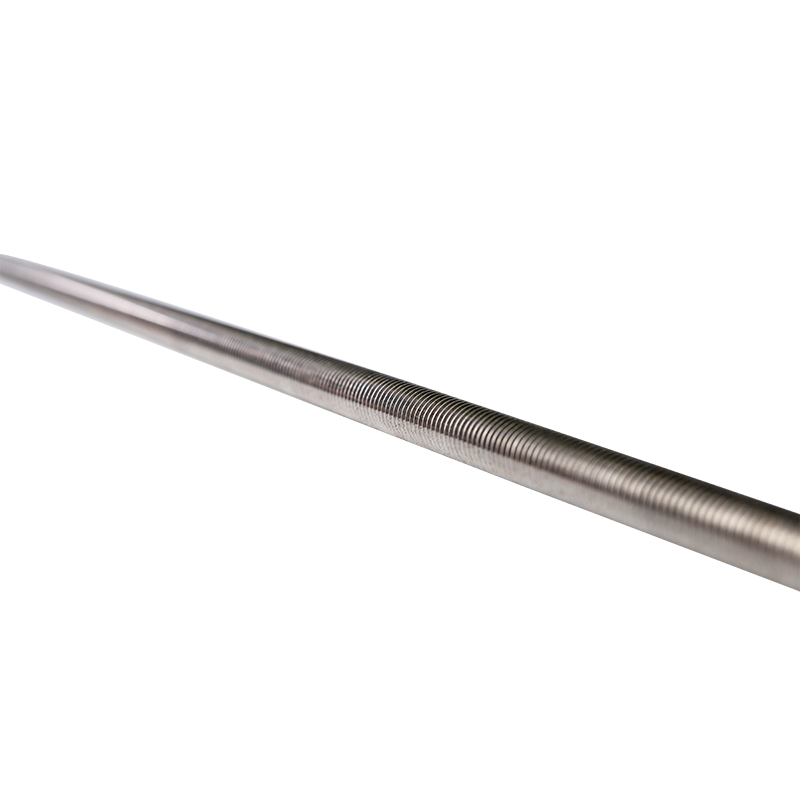
Introduction to Threaded Rods
Threaded rods, also known as all-thread rods, are long metal rods with continuous threading along their length. They are widely used in construction, industrial applications, and machinery assembly for fastening, supporting, and tensioning purposes. In harsh environments, such as chemical plants, offshore structures, or outdoor installations, the long-term reliability of threaded rods is critical for safety and structural integrity. Selecting the right material, coating, and installation method ensures performance and durability in demanding conditions.
Materials and Corrosion Resistance
The material of a threaded rod is a key factor affecting its reliability in harsh environments. Choosing corrosion-resistant materials and coatings extends lifespan and reduces maintenance.
Stainless Steel Threaded Rods
Stainless steel rods, such as grades 304 and 316, offer excellent corrosion resistance, particularly against moisture, saltwater, and chemicals. Grade 316 stainless steel is preferred in marine and chemical environments due to its higher resistance to chloride-induced corrosion, ensuring long-term reliability.
Galvanized and Coated Rods
Hot-dip galvanized or zinc-plated threaded rods provide a protective layer against rust and corrosion. These coatings are suitable for outdoor or industrial applications where rods are exposed to humidity, rain, or mild chemical exposure. Regular inspection ensures coating integrity and prolongs service life.
Mechanical Strength and Load Capacity
Threaded rods must withstand mechanical loads, tension, and vibration over long periods. Selecting the appropriate grade and diameter ensures structural reliability in harsh environments.
High-Strength Alloys
Alloy steel threaded rods, such as grades 8.8, 10.9, and 12.9, provide higher tensile strength and fatigue resistance. These rods are suitable for heavy-duty applications where mechanical reliability is critical. Proper heat treatment and quality control during manufacturing further enhance their durability.
Thread Design Considerations
Uniform threading ensures even load distribution and reduces the risk of stripping or failure. Coarse threads are generally preferred in structural applications for better grip, while fine threads offer greater adjustability and higher tensile engagement. Choosing the correct thread pitch and length is essential for long-term reliability.
Environmental Challenges and Protection
Harsh environments present unique challenges, including moisture, salt, chemicals, UV exposure, and temperature fluctuations. Protecting threaded rods against these conditions is crucial for durability.
Chemical Resistance
In chemical processing or industrial plants, threaded rods may come into contact with acids, alkalis, or solvents. Using stainless steel 316 or coated alloy rods ensures resistance to chemical attack, preventing corrosion, pitting, or surface degradation.
UV and Weather Protection
Outdoor installations expose rods to sunlight, rain, and temperature cycles. Galvanized coatings, powder coatings, or stainless steel materials protect against rust and maintain structural integrity over long periods.
Installation Practices for Longevity
Proper installation of threaded rods is essential to ensure reliability in harsh environments. Incorrect installation can lead to premature failure, even with high-quality materials.
Torque and Tension Control
Applying the correct torque during installation prevents over-tightening, which can strip threads or induce stress fractures. Using calibrated torque wrenches ensures uniform tension and reliable load distribution.
Protective Seals and Thread Lubrication
Threaded rods in corrosive or outdoor environments benefit from thread sealants, anti-seize compounds, or PTFE tape. These measures reduce corrosion in the threaded section and maintain ease of future maintenance without compromising strength.
Applications in Harsh Environments
Threaded rods are used in a wide range of demanding applications where reliability is crucial:
- Structural frameworks in offshore platforms and bridges.
- Mounting and support of machinery in chemical and manufacturing plants.
- Fastening HVAC systems, piping, and equipment exposed to moisture and temperature variations.
- Solar panel installations and outdoor signage requiring corrosion resistance.
- Heavy-duty construction in industrial facilities where load-bearing capacity is critical.
Comparison of Materials and Treatments
Understanding the differences between rod materials and coatings helps determine the best solution for harsh conditions:
| Feature | Stainless Steel Rod | Galvanized Alloy Rod | Standard Carbon Steel Rod |
| Corrosion Resistance | High (304/316) | Medium | Low |
| Mechanical Strength | Medium | High (heat-treated) | Medium |
| UV/Weather Resistance | High | Medium | Low |
| Maintenance Requirement | Low | Medium | High |
| Typical Applications | Marine, chemical, outdoor | Construction, machinery | Indoor/low-exposure environments |
Conclusion
Threaded rods provide long-term reliability in harsh environments when the correct material, coating, and installation practices are selected. Stainless steel rods, galvanized alloys, and properly treated rods resist corrosion, mechanical wear, and environmental stress. Proper torque, lubrication, and sealing further enhance their durability. Whether for structural support, machinery installation, or outdoor construction, high-quality threaded rods ensure safety, stability, and long-term performance in demanding conditions.

 No. 2 Bridge, Chuangxin Road, Dainan Town, Xinghua City, Taizhou City, Jiangsu Province
  +86-17315333748(Wechat)
 +86-17315333748(Wechat/Whatsapp)

