


 русский
 Español
 عربى
عربى italiano
Content
- 1 Choosing the Right Fastener: Barrel Nuts, Rivnuts, and Stainless Into Aluminium
- 2 What Are Barrel Nuts and How Do Bolts and Barrel Nuts Work Together?
- 3 What Are Rivnuts and When Should You Use Them?
- 4 Stainless Screws into Aluminium: What You Need to Know
- 5 Choosing Between Barrel Nuts, Rivnuts, and Direct Tapping: Decision Guide
Choosing the Right Fastener: Barrel Nuts, Rivnuts, and Stainless Into Aluminium
Barrel nuts, rivnuts, and stainless steel screws driven into aluminium each solve a specific fastening problem—and using the wrong one for your application leads to joint failure, corrosion, or parts that cannot be disassembled without damage. Barrel nuts are the choice for furniture-style through-bolted joints where aesthetics and alignment matter. Rivnuts create permanent threaded inserts in thin or single-sided material. Stainless screws into aluminium work well but require galvanic isolation to prevent accelerated corrosion in wet environments.
These three fastening methods appear across furniture assembly, aluminium extrusion framing, marine fabrication, vehicle builds, and structural panel work. Understanding each in practical terms—what it is, when to use it, and what pitfalls to avoid—makes the difference between a joint that lasts years and one that fails or corrodes within months.
What Are Barrel Nuts and How Do Bolts and Barrel Nuts Work Together?
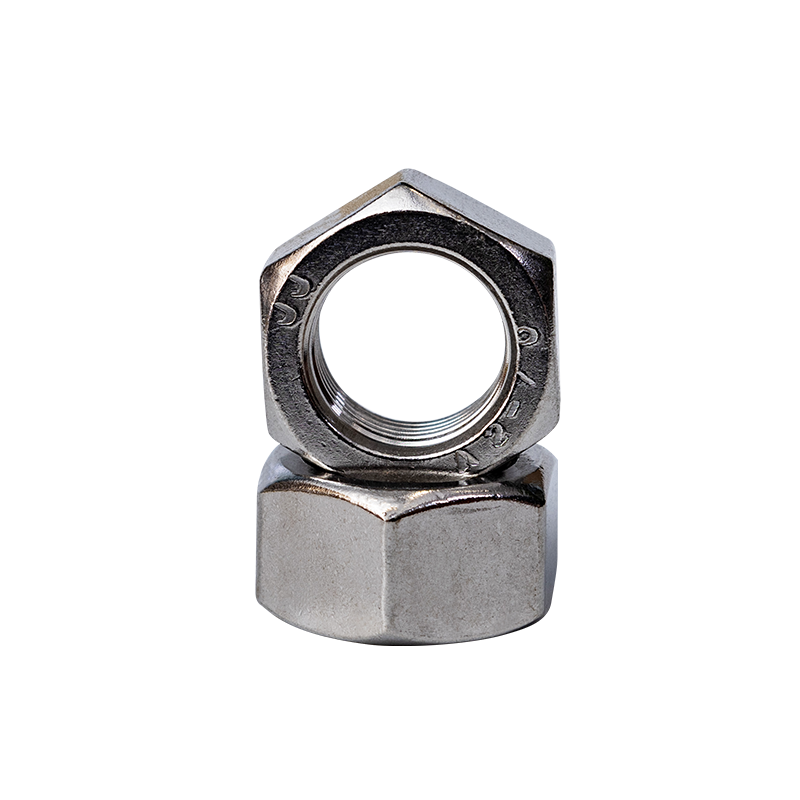
A barrel nut—also called a cross dowel nut, cylinder nut, or T-nut in some contexts—is a cylindrical metal insert with a threaded hole running perpendicular to its length. It is used in conjunction with a machine bolt or hex bolt that passes through a clearance hole in one part and threads into the barrel nut seated in a cross-drilled hole in a second part. When the bolt is tightened, the barrel nut draws tight against the inner wall of the receiving hole, clamping the two parts firmly together.
The design is elegant because both the bolt head and the barrel nut are recessed flush with or below the material surface—there are no protruding nuts or bolt heads visible on the joint face. This is why barrel nuts dominate flat-pack furniture (IKEA uses them across most of its carcass joinery), aluminium extrusion-based framing systems, and anywhere a clean, flush external appearance is required.
Common Barrel Nut Sizes and Specifications
| Thread Size | Barrel Diameter | Barrel Length | Typical Application |
|---|---|---|---|
| M5 | 10 mm | 13–15 mm | Light furniture, small extrusion frames |
| M6 | 12–13 mm | 15–20 mm | General furniture, aluminium profile 30×30 |
| M8 | 15–16 mm | 20–30 mm | Structural joints, heavy furniture, 40×40 extrusion |
| M10 | 18–20 mm | 25–35 mm | Heavy-duty structural connections, machine frames |
Barrel Nuts in Aluminium Extrusion Systems
Aluminium T-slot extrusion systems (such as 20×20, 30×30, and 40×40 series profiles) are designed specifically around barrel nuts or T-slot nuts. The barrel nut slides into the T-slot channel of the extrusion, and a bolt inserted through a connecting part threads into it from the side. This allows connections to be made or repositioned anywhere along the extrusion length without drilling—a key advantage in adjustable machine guarding, workbench construction, and 3D printer frames.
For extrusion work, always verify that the barrel nut width matches the slot width of your extrusion profile—a 6mm slot extrusion requires narrower barrel nuts than a 8mm slot profile. Using an oversized nut that cannot rotate into engagement is one of the most common assembly errors in extrusion builds.
Barrel Nut Installation Tips
- Drill the cross-hole for the barrel nut to a diameter that allows it to slide in with minimal play—typically 0.2–0.5mm larger than the barrel diameter. Excessive play causes the nut to rotate instead of engaging when the bolt is tightened.
- Mark the barrel nut's threaded hole alignment before inserting it—a small dot of paint or a scratch mark on the top face helps you orient the threaded hole toward the bolt entry point, especially in blind installations.
- Use a bolt of appropriate length: the bolt should engage at least 1.5× the thread diameter into the barrel nut for reliable clamping force. For an M8 barrel nut, that means a minimum of 12mm of thread engagement.
- In wood or MDF furniture, apply a small drop of wood glue around the barrel nut hole perimeter before insertion to prevent the nut from spinning in the hole during repeated assembly and disassembly cycles.
What Are Rivnuts and When Should You Use Them?
A rivnut—also called a rivet nut, nutsert, or threaded insert rivet—is a hollow, externally smooth fastener that is inserted into a pre-drilled hole and then deformed (set) to create a permanent threaded anchor in the material from one side only. Once installed, a rivnut presents a flush or slightly domed exterior and a clean internal thread that accepts a standard machine screw or bolt.
Rivnuts solve the specific problem of adding load-bearing threads to thin sheet material, hollow sections, or panels where there is no access to the back face. Sheet metal bodywork, aluminium panel enclosures, vehicle chassis sections, and carbon fibre panels all benefit from rivnut installation because welded nuts or tapped threads are either impractical (too thin) or impossible (no rear access).
How a Rivnut Is Installed
- Drill a hole to the exact diameter specified for your rivnut size—typically 0.1–0.3mm larger than the rivnut body diameter for a snug fit.
- Thread the rivnut onto the mandrel of a rivnut setting tool (hand tool, pneumatic tool, or drill adapter).
- Insert the rivnut into the hole until the flange seats flush against the material surface.
- Operate the setting tool—pulling the mandrel compresses the body of the rivnut, causing it to bulge outward behind the material and clamp the panel between the flange and the deformed body.
- Release and remove the mandrel. The rivnut is now permanently set with a usable internal thread ready to accept fasteners.
Rivnut Material Options and When Each Applies
| Rivnut Material | Best Host Material | Corrosion Resistance | Notes |
|---|---|---|---|
| Steel (zinc-plated) | Steel sheet, steel tube | Moderate (indoor) | Lowest cost; not suitable for aluminium in wet environments |
| Stainless steel (A2/A4) | Aluminium, steel, stainless panels | Excellent | Best for marine, outdoor, and food industry use |
| Aluminium | Aluminium sheet, carbon fibre | Good | No galvanic risk with aluminium host; lightweight |
| Brass | Plastics, fibreglass, thin metals | Very good | Soft; ideal for fragile panels; easy to set without cracking substrate |
Rivnut Pull-Out and Torque Strength Considerations
Rivnut strength is governed by two values: pull-out force (axial load required to extract the rivnut from the panel) and spin-out torque (rotational force that causes the rivnut to rotate in the hole rather than accepting fastener torque). For a standard M6 aluminium rivnut in 2mm aluminium sheet, typical pull-out strength is 3,000–4,500 N and spin-out torque is 8–12 Nm—adequate for most light to medium structural applications but not for high-load joints requiring frequent torque cycling.
For higher torque resistance, use hex-body (non-round) rivnuts—their hexagonal exterior bites into the hole wall and resists rotation far more effectively than round-body versions. Hex rivnuts are the correct choice for any application where fasteners will be tightened repeatedly.
Stainless Screws into Aluminium: What You Need to Know
Driving stainless steel screws into aluminium is mechanically sound and extremely common in marine, automotive, and outdoor construction applications. The concern most experienced fabricators flag is galvanic corrosion—an electrochemical process that occurs when two dissimilar metals are in electrical contact in the presence of an electrolyte (typically water or salt water). Stainless steel (particularly 316 grade) and aluminium are separated by a meaningful gap on the galvanic series, making their contact potentially problematic in wet or marine environments.
Understanding Galvanic Corrosion Between Stainless and Aluminium
In a galvanic couple, the less noble (more anodic) metal corrodes preferentially to protect the more noble (cathodic) metal. In a stainless steel / aluminium pairing, aluminium is the anode and will corrode—the stainless screw remains largely unaffected while the aluminium around the screw thread deteriorates. The rate of corrosion depends heavily on the presence of an electrolyte: in dry indoor applications, galvanic corrosion between stainless and aluminium is negligible. In salt spray or permanently wet outdoor environments, it can cause joint failure within one to three years.
The severity also depends on the surface area ratio. A small stainless screw in a large aluminium panel is a more severe condition than a large stainless bolt in a small aluminium fitting—the small cathode/large anode ratio accelerates anodic (aluminium) corrosion at the contact point.
How to Prevent Galvanic Corrosion When Using Stainless Screws in Aluminium
- Apply an isolating compound to threads before driving. Lanolin-based compounds (such as Lanocote), zinc-chromate paste, or PTFE thread tape create a barrier between the metal surfaces that blocks the electrolytic pathway required for galvanic corrosion. This is the single most effective and easiest field solution.
- Use aluminium rivnuts as an intermediary. Driving a stainless screw into an aluminium rivnut eliminates the stainless-to-aluminium thread contact entirely—the rivnut and the parent material are the same alloy family, with no galvanic potential between them.
- Anodize or paint the aluminium contact surface. A well-maintained anodized or powder-coated surface provides an insulating oxide layer that breaks the electrical contact between the two metals. Note that damaged or scratched coatings allow corrosion to resume at the exposed point.
- Use 316 stainless rather than 304 in marine environments. While both grades still create a galvanic couple with aluminium, 316 stainless resists chloride-induced corrosion on the screw itself—meaning the fastener remains structurally sound even if minor galvanic attack occurs at the aluminium interface.
- In dry indoor environments, no special treatment is needed. Stainless screws into aluminium for furniture, electronics enclosures, and structural frameworks in controlled environments perform reliably for decades without any galvanic treatment.
Tapping Aluminium for Stainless Screws: Thread Engagement Rules
Because aluminium is significantly softer than steel (approximately 60–70 Brinell hardness vs. 200+ for steel), tapped threads in aluminium strip out more easily under torque. The compensating rule is straightforward: use a minimum thread engagement depth of 2× the screw diameter in aluminium (compared to 1× in steel). For an M6 screw, this means a minimum 12mm of tapped depth in aluminium. Using Helicoil or similar stainless wire thread inserts in frequently disassembled aluminium joints dramatically improves thread durability and pull-out resistance.
Choosing Between Barrel Nuts, Rivnuts, and Direct Tapping: Decision Guide
Selecting the right fastening method for a given joint is a practical decision based on material access, required joint strength, assembly frequency, and aesthetic requirements.
| Criteria | Barrel Nut + Bolt | Rivnut + Screw | Direct Tap + Stainless Screw |
|---|---|---|---|
| Rear access required? | Yes | No | No |
| Disassembly / reassembly | Excellent (unlimited) | Good (threads hold well) | Limited (thread wear) |
| Suitable for thin sheet (<3mm) | No | Yes | No (insufficient thread depth) |
| Flush/clean appearance | Excellent | Good (low-profile flange) | Good (countersunk screw) |
| Load capacity | High | Medium | High (if sufficient depth) |
| Galvanic risk (aluminium + SS) | Low (same metal options) | Low (use Al rivnut) | Moderate (treat threads) |
| Installation complexity | Moderate (alignment critical) | Low–Moderate | Low |
As a practical summary: use barrel nuts when you need a strong, repeatedly removable joint with full rear access and a clean appearance—furniture, frames, and extrusion builds. Use rivnuts when the panel or section is thin, hollow, or accessible from one side only. Use direct tapping with stainless screws when the aluminium is thick enough for full thread engagement, and the joint will be assembled infrequently—always treating the threads with an isolating compound in any outdoor or wet application.

 No. 2 Bridge, Chuangxin Road, Dainan Town, Xinghua City, Taizhou City, Jiangsu Province
  +86-17315333748(Wechat)
 +86-17315333748(Wechat/Whatsapp)

