


 русский
 Español
 عربى
عربى italiano
Content
- 1 The Most Reliable Way to Identify a Stainless Steel Screw Combines the Magnet Test with Visual Inspection
- 2 Method 1 — The Magnet Test: Fast, Free, and Mostly Reliable
- 3 Method 2 — Head Markings: The Most Unambiguous Identifier When Present
- 4 Method 3 — Visual Inspection of Surface Finish and Appearance
- 5 Method 4 — Chemical Spot Tests for Higher Confidence
- 6 Method 5 — XRF Analysis: Definitive Identification Without Destruction
- 7 Method 6 — The Acid Test: Destructive but Definitive in a Workshop Setting
- 8 Quick Reference: All Methods Compared
- 9 Practical Decision Framework: Which Test to Use and When
The Most Reliable Way to Identify a Stainless Steel Screw Combines the Magnet Test with Visual Inspection
No single test definitively identifies a stainless steel screw in every situation, but combining two quick checks — a neodymium magnet test and careful visual inspection of the finish and head markings — correctly identifies the material in the vast majority of cases. A screw that shows zero magnetic attraction and carries an "A2" or "A4" head marking is almost certainly 304 or 316 austenitic stainless steel. When those two checks are inconclusive, chemical spot tests and XRF analysis provide definitive answers.
This matters practically because stainless, zinc-plated carbon steel, and chrome-plated steel look similar at a glance — but behave completely differently in corrosive environments. Using the wrong fastener material in marine, food processing, or outdoor applications causes premature failure, contamination risk, or structural compromise. This guide covers every identification method in order of practicality, explains where each one works and where it falls short, and provides a clear decision framework for uncertain cases.
Method 1 — The Magnet Test: Fast, Free, and Mostly Reliable
The magnetic test is the first check most people reach for, and it works well when you understand its limitations. Hold a strong neodymium (rare-earth) magnet against the screw and observe the response.
- No attraction at all: Strongly indicates austenitic stainless steel — grades 304, 316, 303, or 321. These grades are non-magnetic in their annealed state due to their face-centered cubic crystal structure.
- Weak or slight attraction: May indicate cold-worked or work-hardened 304 stainless, which can develop slight ferromagnetism during thread rolling or head forming. Still likely stainless — confirm with visual inspection or a spot test.
- Strong attraction: Indicates carbon steel, alloy steel, zinc-plated steel, or martensitic stainless steel (grades 410, 416, 420). These grades are all strongly magnetic and cannot be distinguished from carbon steel by magnet alone.
The Critical Limitation: Magnetic Stainless Steel Grades
Martensitic stainless steels — grades 410, 416, and 420 — are strongly magnetic and fully corrosion-resistant, but in a different way and to a different degree than austenitic grades. A grade 410 screw in a salt-spray environment will corrode significantly faster than a 316 screw, yet both attract a magnet equally. If the application requires the corrosion performance of 304 or 316, a positive magnet response means the screw is NOT suitable regardless of whether it is technically a stainless steel alloy.
Use a kitchen refrigerator magnet as a rough baseline: it is weak enough that even slightly magnetic work-hardened 304 will show little response. A strong neodymium magnet is better for distinguishing degrees of attraction — use it to compare against a known carbon steel screw and a known 304 screw side by side until you develop a feel for the difference.
Method 2 — Head Markings: The Most Unambiguous Identifier When Present
Fastener standards require grade markings on many screw and bolt types. If these markings are present and legible, they provide the most direct identification possible without any equipment.
ISO Metric Markings (Most Common Internationally)
- A2: Austenitic stainless steel, equivalent to 304 or 302 grade. Suitable for general indoor and mild outdoor use. The most common stainless marking on metric fasteners worldwide.
- A4: Austenitic stainless steel with molybdenum, equivalent to 316 grade. Suitable for marine, chemical, and coastal environments. Higher corrosion resistance than A2.
- A2-70 / A4-70: The number after the hyphen indicates tensile strength class (70 = 700 MPa minimum tensile strength). Common on structural hex bolts.
- C1 / C4: Martensitic stainless — stronger but less corrosion-resistant than A2/A4. Less common on fasteners but present on some self-tapping and concrete screws.
SAE / Inch Markings (North American Standard)
- "SS" stamp: Indicates stainless steel — grade unspecified. Common on socket head cap screws, hex bolts, and some pan head screws. Does not distinguish 304 from 316.
- Grade 5 / Grade 8 markings (radial lines on hex head): These indicate medium and high-strength carbon steel — not stainless. A Grade 5 marking means the fastener is definitely not stainless steel.
- No marking: Common on both stainless and low-grade carbon steel screws, especially smaller sizes (under 1/4 inch or M6). The absence of markings is not diagnostic in either direction — proceed to other identification methods.
Where to Find Markings
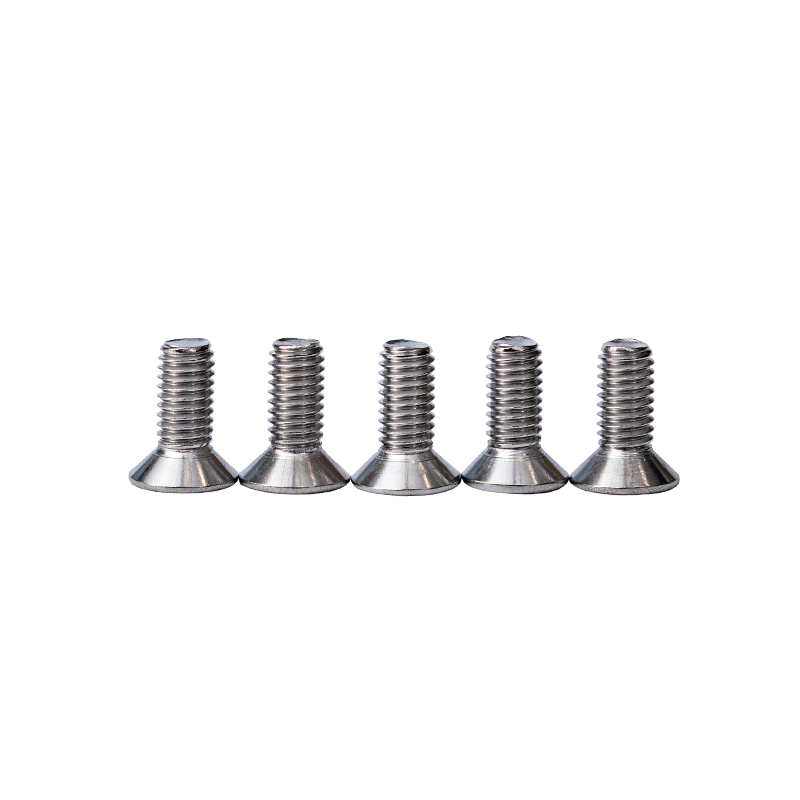
On hex head bolts and cap screws, markings are stamped or rolled onto the top face of the head. On socket head cap screws, look at the side of the head or the top flat surface around the drive recess. On pan head and flat head screws, markings are often absent due to small head size — these require other identification methods. Use a magnifying glass or phone camera zoom on small-diameter fasteners where markings may be present but too fine to read with the naked eye.
Method 3 — Visual Inspection of Surface Finish and Appearance
An experienced eye can often distinguish stainless steel from plated alternatives by finish characteristics alone, though this requires familiarity with the reference appearance of each material type.
Stainless Steel Appearance
- Consistent silver-gray color with a slightly warm, matte-to-satin tone across the entire fastener including threads, head, and drive recess
- Uniform appearance at edges and corners — the material is solid throughout, so sharp edges show the same color and finish as flat faces
- No layered appearance under magnification — the surface is homogeneous metal, not a coating over a different substrate
- Any surface staining appears as tea-colored or light brown surface deposits (iron contamination or superficial oxidation), not flaking red rust
How Plated Fasteners Look Different
- Zinc-plated / electroplated steel: Cooler, slightly blue-gray color. Under magnification, a spangled crystalline pattern is often visible on the flat faces. Thread crests and sharp edges frequently show thinner plating, appearing slightly darker or showing the gray base metal underneath. White zinc corrosion products (zinc oxide, zinc hydroxide) appear as chalky white deposits rather than red rust.
- Hot-dip galvanized: Noticeably thicker, rougher coating with a visibly spangled or matte crystalline finish. Much thicker than electroplating — often 50–80 microns versus 5–12 microns for electroplating. Thread fit is typically looser due to coating buildup.
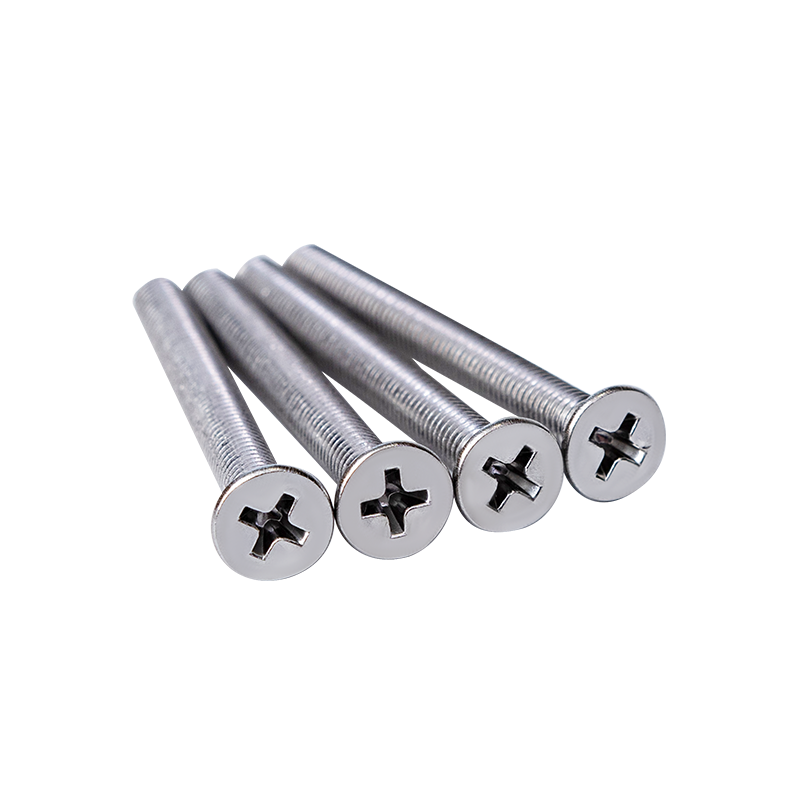
- Chrome-plated steel: Brighter and more mirror-like than stainless steel. High specular reflectivity — noticeably shinier than standard satin-finish stainless. Chrome plating on screws is uncommon in functional fastener applications but appears on decorative hardware.
- Nickel-plated steel: Very similar in tone to stainless steel, making this the hardest plated finish to distinguish visually. Nickel plating has a slightly warmer, yellower silver tone compared to the cooler gray of stainless. Plating wear at drive recess edges and thread crests reveals the contrast with the darker steel base.
Rust Pattern as a Diagnostic Clue
Corrosion patterns are highly informative. A fastener with heavy red-brown flaking rust emanating from the threads or head is definitively not austenitic stainless steel. Stainless steel does not produce this type of corrosion under normal conditions. Even in marine environments where stainless can develop crevice corrosion, the appearance is localized pitting with dark deposits, not widespread flaking rust. Surface rust staining on stainless (from iron contamination in the environment, not base metal corrosion) wipes off with mild acid or stainless cleaner and does not penetrate the surface.
Method 4 — Chemical Spot Tests for Higher Confidence
When the magnet test is inconclusive — for example, with a strongly magnetic screw that might be martensitic stainless or carbon steel — chemical spot tests provide a reliable answer. These tests require clean bare metal contact, so remove any surface coating, rust, or oxide from a small area with fine sandpaper before applying the reagent.
Ferroxyl Test (Potassium Ferricyanide Solution)
Ferroxyl reagent (a solution of potassium ferricyanide and sodium chloride) detects free iron ions at a metal surface. Apply one drop to the bare metal area and observe the color after 30–60 seconds:
- Immediate vivid blue (Turnbull's blue): Iron ions present — the fastener is carbon steel or a surface-contaminated stainless steel. If the blue reaction is instantaneous and intense, the base metal is almost certainly carbon or alloy steel.
- No color change or faint delayed response: Stainless steel. The passive chromium oxide layer prevents iron ion release, so no reaction occurs. This test is highly reliable for distinguishing stainless from carbon steel — a clean stainless steel surface produces no ferroxyl reaction even after several minutes.
Ferroxyl test kits are available from laboratory suppliers and some industrial fastener distributors for approximately $15–$25. A small bottle provides hundreds of tests.
Stainless Steel Grade Differentiation Kits (304 vs. 316)
Once confirmed as stainless, distinguishing 304 from 316 requires detecting molybdenum content (2–3% in 316, absent in 304). Purpose-designed grade test kits — such as those from Mitchell Instrument or SciCron — use a two-reagent system that produces a color change in the presence of molybdenum. These kits cost $30–$80 and are used in quality assurance, scrap metal sorting, and incoming inspection programs where grade verification matters.
Method 5 — XRF Analysis: Definitive Identification Without Destruction
Handheld X-ray fluorescence (XRF) analyzers direct low-energy X-rays at a metal surface and measure the fluorescent X-rays emitted by each element present, producing a precise elemental composition reading in 3–10 seconds. This is the standard method for positive material identification (PMI) in oil and gas, aerospace, pharmaceutical manufacturing, and structural engineering where incorrect fastener material creates safety or regulatory consequences.
A typical XRF reading on a stainless steel screw shows 18–20% chromium and 8–10% nickel (304) or 16–18% chromium, 10–14% nickel, and 2–3% molybdenum (316). Carbon steel shows primarily iron with trace manganese and silicon — no significant chromium or nickel. The result is unambiguous.
- Buying your own XRF analyzer: Handheld units from Olympus (Vanta series) or Bruker (S1 series) cost $15,000–$40,000 — justified for facilities that routinely handle large volumes of mixed or unidentified fasteners.
- Using a testing laboratory: Commercial PMI labs charge $15–$50 per sample for XRF analysis. Suitable for confirming material identity on a small number of critical fasteners.
- Rental: XRF analyzer rental from equipment companies runs $300–$600 per day — practical when batch-testing a large collection of mixed fasteners from a single job lot.
Method 6 — The Acid Test: Destructive but Definitive in a Workshop Setting
Dilute nitric acid (HNO₃ at 20–30% concentration) reacts dramatically differently with carbon steel versus stainless steel. This test is destructive to the fastener and requires appropriate chemical safety precautions — acid-resistant gloves, eye protection, and ventilation — but provides an immediate and definitive answer.
- Carbon steel: Vigorous bubbling, fizzing, and rapid dissolution of the metal surface. The acid turns green or brown within seconds from dissolved iron.
- Austenitic stainless steel (304/316): No visible reaction. The passive chromium oxide layer resists dilute nitric acid. The surface remains shiny and unchanged. This passivation response — the complete absence of reaction — is characteristic of austenitic stainless and confirms material identity definitively.
- Martensitic stainless (410/416): Mild, slow reaction — some surface dulling and slight discoloration, but nothing like the vigorous response of carbon steel. The difference is visible but more subtle than the carbon steel response.
This test is rarely needed when magnet testing, head markings, and visual inspection have already been applied — it is a last resort for high-stakes identification when other methods are unavailable or inconclusive.
Quick Reference: All Methods Compared
| Method | Identifies SS vs. Carbon Steel | Detects Magnetic SS (410/416) | Distinguishes 304 vs. 316 | Cost | Time Required |
|---|---|---|---|---|---|
| Magnet test | Mostly (austenitic only) | No | No | Free | Seconds |
| Head markings | Yes (if marked) | Yes (C1 marking) | Yes (A2 vs. A4) | Free | Seconds |
| Visual inspection | Moderate reliability | No | No | Free | 1–2 minutes |
| Ferroxyl spot test | High reliability | Yes | No | $15–$25 kit | 2–5 minutes |
| Grade test kit | High reliability | Yes | Yes | $30–$80 kit | 5–10 minutes |
| XRF analysis | Definitive | Yes | Yes | $15–$50/sample | Minutes |
| Nitric acid test | Definitive | Partial | No | Low (chemical cost) | 1–2 minutes |
Practical Decision Framework: Which Test to Use and When
For most situations, a clear decision path prevents spending time or money on tests that are unnecessary given the stakes involved.
- Routine DIY or home use, non-critical: Magnet test + visual inspection is sufficient. If the screw shows no magnetic response and has the correct appearance, proceed with confidence.
- Outdoor, marine, or food contact applications: Check head markings first. If marked A2 or A4, that is reliable. If unmarked, combine the magnet test with ferroxyl spot test for confirmation.
- Unknown fasteners from mixed stock, moderate consequence: Grade test kit distinguishes 304, 316, and carbon steel in one workflow. A good choice for tradespeople and fabricators who regularly encounter unidentified fasteners.
- Structural, pressure vessel, aerospace, or safety-critical applications: XRF analysis is required — no visual or field chemical test provides the documented traceability and precision that safety-critical PMI programs demand. Never substitute magnet testing for XRF in these contexts.
- Purchasing from a reputable supplier with material certification: A mill test report (MTR) or certificate of conformance specifying the alloy grade and heat number is more reliable than any field test — request documentation when material identity matters and buy from suppliers who provide it.

 No. 2 Bridge, Chuangxin Road, Dainan Town, Xinghua City, Taizhou City, Jiangsu Province
  +86-17315333748(Wechat)
 +86-17315333748(Wechat/Whatsapp)

